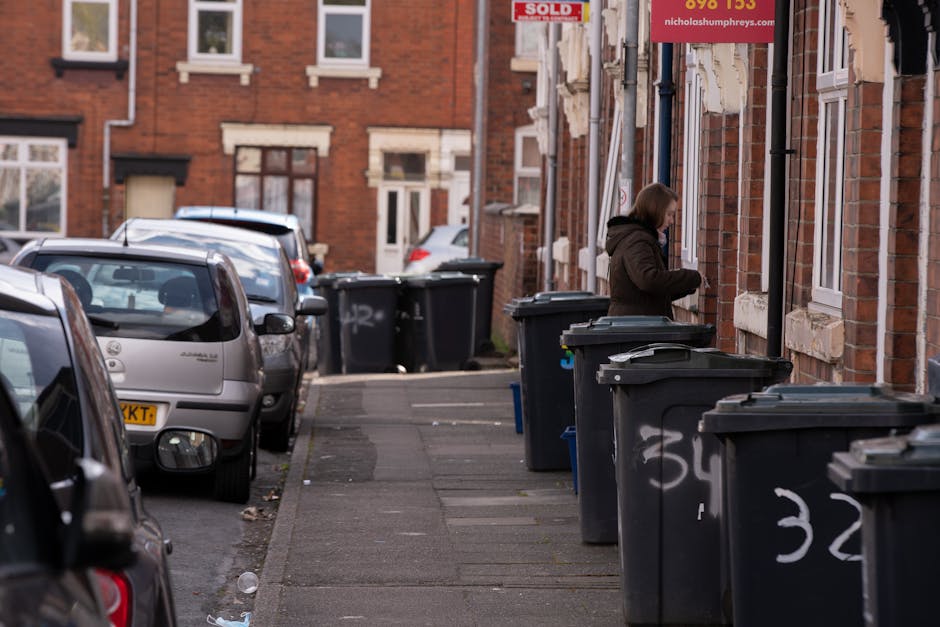
Delays in Brimsdown rubbish collection who to contact

If you are dealing with delays in Brimsdown rubbish collection who to contact is usually the first thing on your mind, especially when bins are piling up and the weather is warming up a bit. It is one of those frustrating small disasters that quickly becomes a bigger one: the smell, the flies, the awkwardness of nowhere to put the next bag, and the general feeling that the week has gone sideways.
This guide explains who to speak to, what information to have ready, how to judge whether the delay is a one-off or part of a wider service issue, and what sensible next steps look like if the collection is still not happening. You will also find practical tips, a simple checklist, and a few realistic options if you need rubbish removed sooner rather than later.
- Why delays matter
- How rubbish collection delays are usually handled
- Key benefits of acting quickly
- Who this is for
- Step-by-step guidance
- Expert tips
- Common mistakes to avoid
- Tools, resources and recommendations
- Law, compliance, standards, or best practice
- Options and comparison
- Case study
- Practical checklist
- Conclusion
- Frequently asked questions
Why Delays in Brimsdown rubbish collection who to contact Matters
A missed or delayed rubbish collection is not just an inconvenience. In a place like Brimsdown, where homes, flats, shops, and business premises can all generate waste quickly, a delay can spill into health, hygiene, and day-to-day comfort before you know it. One missed round may be manageable. Two missed rounds, and suddenly you are stacking bags by the door and wondering whether the seagulls have better plans for the day than you do.
The reason contact details matter so much is simple: if you know the right team to speak to, you can save time, avoid repeated chasing, and get a clearer answer on whether the problem is a road closure, staffing issue, missed lift, access problem, or a wider disruption. In other words, the faster you identify the right contact, the faster you move from frustration to a practical fix.
It also helps businesses. A delayed waste collection at an office, takeaway, shop, or light industrial unit can create safety concerns, spoil customer impressions, and make stock or shared spaces harder to manage. For households, the issue is more personal. Nobody wants overflowing bins sitting out front for days on end. Let's face it, that gets old fast.
Expert summary: the best response to a rubbish collection delay is not guesswork. Confirm the issue, note the details, contact the correct service provider or collection point, and keep a record of what was said. That small bit of organisation often saves a lot of back-and-forth later.
How Delays in Brimsdown rubbish collection who to contact Works
In practical terms, a rubbish collection delay usually follows one of a few patterns. The collection may be late on the scheduled day, partially completed, skipped entirely, or rescheduled after an operational issue. Sometimes the crew cannot safely access the property. Sometimes a vehicle breaks down. Sometimes there is a knock-on effect from heavy traffic, weather, or a route problem nearby. Annoying, yes. Rarely mysterious, though.
Who you contact depends on who is responsible for the waste. That is the key point many people miss.
- Household council waste: normally the local authority or its waste team.
- Commercial waste: the private waste contractor or supplier handling your contract.
- Shared flats or managed buildings: the managing agent, landlord, or the service provider named for the site.
- Bulky waste or ad hoc clearances: the booking provider or clearance company used for the job.
If you are unsure which category applies, look at the paperwork, email confirmation, bin sticker, or account record. The answer is often hiding in plain sight. A quick check of your service details can save an awkward call to the wrong team, which, to be fair, happens all the time.
For people arranging private clearance or one-off removals, service quality matters just as much as speed. Pages like waste removal services and pricing and quotes can help you compare options if you need a faster resolution than waiting for the next scheduled collection.
Key Benefits and Practical Advantages
Acting promptly when a rubbish collection is delayed does more than tidy up the situation. It helps you make better decisions and reduces the chance that the problem grows legs. Here are the main advantages.
- Less disruption: you avoid living or working around a build-up of waste for longer than necessary.
- Faster resolution: early contact usually means the issue is logged sooner and easier to trace.
- Better evidence: if the problem needs escalation, you already have the dates, times, and notes.
- Improved hygiene: quicker action reduces odours, pests, and spill risks.
- Clearer accountability: you know whether the delay sits with a council round, a contractor, or a site manager.
- Smarter backup planning: if you need a temporary alternative, you can arrange it before the situation becomes urgent.
There is also a less obvious benefit: peace of mind. When you know you have done the right thing, it is easier to stop replaying the same question in your head. Who do I call? Did I miss something? Was the bin out on the right side of the pavement? That mental loop is tiring. Clear steps help break it.
If the collection delay relates to bulky waste, mixed items, or a business clean-up, you may find it useful to review services such as house clearance, office clearance, or furniture disposal depending on the type of waste you need handled.
Who This Is For and When It Makes Sense
This guidance is useful for anyone in Brimsdown who has expected a rubbish or recycling collection and it has not happened on time. That includes homeowners, tenants, landlords, shop owners, office managers, facilities teams, and anyone responsible for shared bins in flats or managed buildings.
It makes particular sense in a few common situations:
- You have put bins out correctly but they were not emptied.
- The crew collected some bins but missed yours.
- A communal bin store is overflowing and residents are asking questions.
- Your business waste is backing up and affecting daily operations.
- You need a fast fallback option while waiting for the next round.
It is also relevant if you are new to the area. Brimsdown has a mix of residential streets, commercial spaces, and industrial activity, so waste arrangements are not always one-size-fits-all. A warehouse, a maisonette block, and a terraced house may all have different collection routines. That is why a little local context matters.
Sometimes the issue is not a true delay at all. Sometimes the bin is contaminated, overfilled, blocked in by parked cars, or left in the wrong place. A brief check at the start can save you from making a complaint about something that is actually a placement issue. Nobody enjoys that conversation, but better to know.
Step-by-Step Guidance
If your rubbish collection in Brimsdown has been delayed, follow this sequence. It is simple, but it works.
- Check the scheduled collection day.
Confirm whether the collection was due today, yesterday, or later in the week. A surprising number of disputes start with a calendar mix-up. - Inspect the bin or waste area.
Look for obvious reasons the crew may have passed it by: access blocked, wrong bin type, lid not closed, bags left beside the bin, or contamination in recycling. - Confirm who is responsible.
If it is a household collection, the council waste service may be the right contact. If it is commercial, contact your waste contractor directly. If you are in managed premises, ask the landlord or agent first. - Gather the basics before you call or message.
Have the address, collection day, bin type, and a brief description of the issue ready. A photo can help if the missed collection is visible and safe to photograph. - Report the delay clearly.
State what was missed, when it should have been collected, and whether it is a one-off or part of a pattern. Keep your explanation short and factual. - Ask for the next action.
Will it be picked up later the same day, on the next round, or after a manual review? If the answer is vague, ask for a reference number or confirmation by email. - Record the details.
Make a note of the date, time, name of the person you spoke to, and what they promised. It sounds a bit formal, but it helps if you need to follow up. - Use a fallback if the waste cannot wait.
If bins are already full or you are dealing with bulky items, consider a private collection or clearance service rather than letting the problem snowball.
If you need a quick comparison point, private collection can sometimes be the more practical option for one-off removals, particularly where timing matters or the waste is awkward. That is especially true for bulky furniture, office clearances, or mixed household clutter.
Expert Tips for Better Results
There are a few small habits that make dealing with collection delays much smoother. Nothing fancy. Just practical stuff that works in real life.
- Take a photo before you move anything. If the bin is missed and you need to report it, a quick photo helps show the state of the collection point.
- Keep your tone calm and clear. A brief, polite message usually gets a better response than a long rant, even if you are privately fuming.
- Use one contact route first. Jumping between email, phone, and social pages can muddy the trail. Start with the channel that is actually used for that service.
- Check access at street level. Parked vehicles, garden gates, locked bin stores, or overhanging branches can all affect collection even when the bin itself is fine.
- Separate recurring from one-off issues. One missed round is annoying. Three missed rounds suggest a service pattern worth escalating.
- Know your waste type. Food waste, recycling, general rubbish, bulky items, confidential waste, and hazardous waste should not be treated as interchangeable.
A simple rule of thumb: the more clearly you describe the problem, the quicker someone can help. Sounds obvious, but there it is. The teams on the other end are usually dealing with plenty of calls, so the more precise you are, the easier the answer becomes.
If the issue is business-related, you may also want to keep an eye on storage and sorting habits. Good routine can reduce the odds of missed or delayed collections becoming a pattern. For example, cardboard left loose, bags tied badly, or mixed materials in the wrong stream can create avoidable hassle.
Common Mistakes to Avoid
Most collection-delay problems are made worse by a few very human mistakes. Nothing dramatic, just the kind of thing that happens when people are busy.
- Waiting too long to report it. Delays are easier to resolve when they are logged quickly.
- Contacting the wrong organisation. A private contractor will not be able to fix a council round, and vice versa.
- Not checking collection rules. Overfilled bins, incorrect sorting, or blocked access can all lead to non-collection.
- Throwing more waste into already missed bins. This can make the problem worse, especially if recycling contamination becomes an issue.
- Assuming the same fix fits every property. Flats, shared houses, retail units, and offices often need different steps.
- Failing to keep a record. If you have to chase again, a dated note saves time and stress.
One especially common mistake is treating a communication issue like a service failure. Sometimes the collection happened, but the bin was not presented properly or the crew could not reach it. That distinction matters. It shapes the next move and, frankly, whether the matter gets solved quickly or drags on.
Another one: people often forget that shared buildings involve several parties. If you live in a block of flats, your landlord, managing agent, or building operator may need to be involved alongside the waste provider. A small delay can become a game of pass-the-parcel if nobody owns the problem. Not ideal.
Tools, Resources and Recommendations
You do not need specialist software to handle a delayed rubbish collection, but a few simple tools and pages can make things easier.
- Phone notes or a message log: keep track of dates, times, names, and promised actions.
- Photos: useful for showing missed bins, blocked access, or overflow conditions.
- Calendar reminders: handy if you need to check whether the next round has been rescheduled.
- Building or site instructions: especially helpful for flats, shared homes, and business premises.
- Service pages that explain specific waste types: these can help you work out whether your issue is general waste, bulky waste, or something more specialised.
For related reading and service context, the following pages can be useful: business waste removal if your issue affects a workplace, recycling and sustainability if sorting is part of the problem, and hazardous waste disposal if the delay involves items that should never go in standard bins.
If you are comparing providers or planning a one-off job, it also helps to understand what is included before booking. A clear service description, sensible quote structure, and transparent collection rules reduce surprises later. That old saying about measure twice, cut once? Bit dusty, but still true.
Law, Compliance, Standards, or Best Practice
Waste handling in the UK is shaped by duties around safe storage, correct disposal, and responsible transfer of rubbish. You do not need to be a legal expert to deal with a delayed collection, but it does help to know the basics.
For households, the main expectation is to present waste correctly and follow local collection instructions. For businesses, the picture is stricter. Commercial waste producers normally need to use an authorised carrier and make sure waste is transferred and handled properly. If a business allows waste to build up unmanaged, that can create safety, hygiene, and reputational problems very quickly.
Best practice is straightforward:
- Keep waste separated where required.
- Store bins safely and accessibly.
- Report missed or delayed collections promptly.
- Do not dump waste outside formal arrangements.
- Use a properly insured and transparent provider for private removals.
If you need assurance around service handling, policies such as insurance and safety, health and safety policy, and terms and conditions are worth reading before booking a private collection. That is especially true where the waste is bulky, awkward, or potentially hazardous.
For confidential or sensitive materials, best practice changes again. Paper records, for example, should be handled differently from general rubbish. If you have office documents, confidential shredding is the more appropriate route than simply waiting for a standard bin lift.
Options, Methods, or Comparison Table
When a rubbish collection is delayed, you usually have a few practical options. The right one depends on how urgent the situation is, what type of waste you have, and whether the issue is a one-off or recurring.
| Option | Best for | Pros | Limitations |
|---|---|---|---|
| Report to the regular service provider | Standard household or contracted commercial collections | Usually the first and most direct fix; keeps the issue logged formally | May not solve an urgent overflow problem immediately |
| Follow up with a landlord, agent, or site manager | Flats, shared buildings, managed sites | Useful where access, storage, or responsibility is shared | Can be slow if the wrong person is contacted first |
| Arrange a private clearance | Urgent overflow, bulky waste, one-off jobs | Fast, flexible, often easier when the waiting period is too long | Usually a paid service, so it is not always the first choice |
| Use a specialist waste service | Furniture, appliances, hazardous items, confidential waste | Better suited to specific waste types and compliance needs | Needs careful matching to the material you have |
In many real situations, the best answer is a blend of two options. Report the delay first, then decide whether you need a fallback. That way, you are not abandoning the proper trail, but you are also not stuck waiting with full bins for days. Very sensible, very boring, very effective.
Case Study or Real-World Example
Here is a typical scenario. A small business in Brimsdown expects its waste collection midweek, but by late afternoon nothing has happened. The bins are still outside, a bit rattled from the wind, and the courtyard smells faintly of yesterday's lunch. The manager is busy serving customers and assumes the crew is just late.
By the next morning, the bins are still there. At that point, the manager checks the account records, confirms the collection day, and notices that the building access gate had been wedged shut for deliveries during the scheduled window. The waste provider could not safely collect. Not ideal, but at least the reason is now clear.
The manager logs the missed collection, informs the site contact, and arranges a backup clearance for the overflow while waiting for the next contracted round. They also adjust the site procedure so the gate remains open during collection hours. Problem solved, and the same mistake is less likely to happen again.
What can you take from that? First, the delay was not just a delay. It had a cause. Second, the right contact mattered because it helped uncover that cause quickly. Third, a short-term fix and a long-term fix are not the same thing, and you often need both.
Practical Checklist
Use this checklist when you are dealing with a delayed rubbish collection in Brimsdown:
- Confirm the collection date and time window.
- Check whether the bin was put out correctly.
- Look for access issues, contamination, or overfilling.
- Identify whether the service is council, commercial, or site-managed.
- Take a photo if the issue is visible and safe to document.
- Contact the correct provider or responsible person.
- Ask for a reference number or written confirmation.
- Record the conversation and any promised next steps.
- Arrange a backup collection if the waste cannot wait.
- Review what caused the delay so it is less likely to repeat.
If you are dealing with a larger clear-out rather than a single missed bin, services such as flat clearance, garage clearance, and loft clearance may be a more practical route than waiting for a routine pickup. It depends on the scale, really.
Get a free quote today and see how much you can save.
Conclusion
When rubbish collection is delayed in Brimsdown, the smartest move is to identify the right contact quickly and keep the process simple. Start with the service responsible for your waste, note the key details, and ask for a clear next step. If the problem is urgent or recurring, do not wait for it to sort itself out, because waste almost never does that gracefully.
A missed collection can feel like a minor nuisance at first, then suddenly it is taking up space, time, and patience. The good news is that with the right contact and a calm, practical approach, most delays become manageable. And once the bins are sorted, the whole place feels better. Fresh air, clear paths, less fuss. Small things, but they count.
Sometimes the best fix is just knowing who to speak to first. That alone can make the rest of the week feel lighter.
Frequently Asked Questions
Who should I contact about a delayed rubbish collection in Brimsdown?
Contact the organisation responsible for the service: the council for household collections, your contractor for commercial waste, or the landlord or managing agent for shared buildings. If you are unsure, check your collection paperwork or account details first.
What information should I have ready when I report a missed collection?
Have the address, collection day, bin type, a short description of the issue, and any relevant photos. If possible, include whether it is a one-off delay or part of a recurring pattern.
How long should I wait before chasing a missed bin?
If the collection window has clearly passed and there is no update, it is reasonable to report it the same day or first thing the next working day. If waste is building up quickly, do not leave it too long.
What if my bin was not collected because it was in the wrong place?
Move it to the correct presentation point and check the collection guidance before reporting again. Sometimes the issue is access or placement rather than a service failure. Annoying, yes, but easily corrected once spotted.
Can I ask for compensation if my rubbish collection is delayed?
That depends on the service terms and what happened. Some providers may offer remedies in certain situations, but you should check the applicable terms and the details of the missed service first.
What should businesses do if commercial waste is delayed?
Businesses should contact their waste contractor promptly, document the delay, and make sure bins are stored safely while awaiting resolution. If the waste cannot be held without causing a problem, arrange a backup clearance.
What if the problem keeps happening every week?
Repeated delays often point to an access issue, service mismatch, or contract problem rather than random bad luck. Escalate the matter, review the site setup, and ask for a more permanent fix.
Is it better to use a private clearance service instead of waiting?
If the waste is urgent, bulky, or causing disruption, a private clearance can be the more practical option. If the delay is minor and the regular service is likely to catch up soon, waiting may be enough.
What waste types need extra care during a delay?
Hazardous waste, confidential documents, electrical items, and certain bulky materials need special handling. Do not mix these into standard bins or leave them unmanaged for too long.
How do I know whether the issue belongs to the council or a private company?
Household collections are usually managed by the local authority, while business waste and many one-off removals are handled by private companies. If the building is shared, the managing agent or landlord may control the arrangement.
Should I keep a record of the missed collection?
Yes. A simple note of the date, time, contact person, and what was said can save a lot of hassle later if you need to follow up or escalate the issue.
What is the fastest way to deal with overflowing waste while I wait?
Use the proper reporting route first, then arrange a temporary alternative such as a private collection if the waste cannot safely wait. For bulky or mixed items, it is often the quickest way to regain control of the space.